Essential Guide to Fixing Gas Cookers: What Every Homeowner Should Know
- limitlessimprovements
- Jan 26
- 4 min read
When your gas cooker stops working, it can throw your whole day off. I’ve been there myself, and I know how frustrating it is to lose such an essential appliance. Whether it’s a faulty burner, a gas leak, or ignition problems, knowing how to handle these issues can save you time, money, and stress. In this guide, I’ll walk you through everything you need to know about fixing gas cookers safely and effectively.
Understanding the Basics of Fixing Gas Cookers
Gas cookers are reliable appliances, but like any machine, they can develop faults over time. The good news is that many common problems are straightforward to diagnose and fix. Before you start any repair, always ensure your safety by turning off the gas supply and unplugging the cooker.
Some typical issues include:
Burners not lighting: This could be due to clogged burner ports or faulty ignition.
Uneven flame or weak heat: Often caused by blocked burner holes or low gas pressure.
Gas smell: A serious warning sign that requires immediate attention.
Oven not heating: Could be a thermostat or ignition problem.
When fixing gas cookers, it’s important to check these parts carefully. Cleaning burner heads with a soft brush or needle can clear blockages. If the ignition spark is weak or absent, the igniter might need replacement. Always use manufacturer-approved parts to keep your cooker safe and efficient.
Tips and Tricks for Fixing Gas Cookers at Home
If you’re comfortable with basic DIY tasks, you can handle some repairs yourself. Here are some practical tips to get you started:
Clean the burners regularly: Food spills and grease can block the tiny holes where gas escapes. Remove the burner caps and soak them in warm, soapy water. Use a soft brush to clean thoroughly.
Check the ignition system: If your cooker uses electric ignition, listen for the clicking sound when you turn the knob. No click means the igniter might be faulty.
Inspect the gas supply: Make sure the gas valve is fully open. If you smell gas, turn off the supply immediately and call a professional.
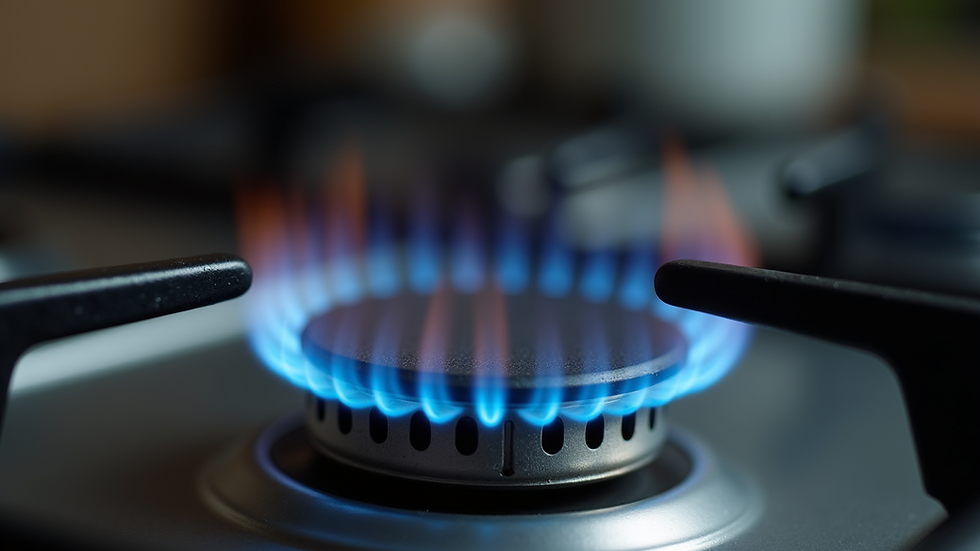
Test the flame: A healthy gas flame is blue with a steady shape. Yellow or flickering flames indicate incomplete combustion and need professional attention.
Use the right tools: A multimeter can help check electrical components, while a pipe wrench is useful for gas connections.
Remember, if you ever feel unsure or detect a gas leak, it’s best to stop and call a qualified engineer. Safety always comes first.
How much does it cost to repair a gas cooker?
One of the first questions I get asked is about the cost of repairs. The price can vary depending on the problem and the parts needed. Here’s a rough idea of what to expect:
Minor repairs like cleaning burners or replacing igniters usually cost between £50 and £100.
Thermostat or valve replacements can range from £100 to £200.
More complex issues such as gas leaks or control board faults might cost £200 or more.
Many local repair services offer transparent pricing and free quotes before starting work. Some even provide same-day or next-day appointments, which is a huge help when you need your cooker fixed fast. Always ask if the price includes parts and labour to avoid surprises.

When to Repair and When to Replace Your Gas Cooker
Deciding whether to repair or replace your cooker depends on several factors. Here’s how I usually approach this decision:
Age of the cooker: If your cooker is over 10 years old and has multiple issues, replacement might be more cost-effective.
Frequency of breakdowns: Frequent repairs can add up quickly and cause inconvenience.
Repair cost vs. replacement cost: If the repair is more than half the price of a new cooker, consider buying new.
Energy efficiency: Newer models are often more energy-efficient, saving you money in the long run.
Safety concerns: If there’s a gas leak or serious fault, replacement is the safest option.
If you’re unsure, a professional engineer can assess your cooker and give honest advice. Many local services in the West Midlands and Derby offer this kind of support, helping you make the best choice.
Finding Reliable Local Help for Gas Cooker Repairs
When it comes to fixing gas cookers, having a trusted local engineer makes all the difference. I always recommend choosing someone who:
Is Gas Safe registered and fully insured.
Offers clear, upfront pricing with no hidden fees.
Provides fast response times, ideally same-day or next-day service.
Has good reviews and local reputation.
Communicates clearly and professionally.
In areas like Birmingham, Wolverhampton, Derby, and surrounding towns, there are several reputable companies ready to help. Many offer easy booking via phone, WhatsApp, or email, making the process hassle-free.
If you want peace of mind, consider booking with a service that guarantees their work and offers follow-up support. This way, you know your cooker is in safe hands.
For quick access to trusted professionals, check out this link for gas cooker repairs in your area.
Keeping Your Gas Cooker in Top Shape
Once your cooker is repaired, regular maintenance can keep it running smoothly for years. Here are some simple habits to adopt:
Clean spills immediately to prevent blockages.
Check burner flames regularly for colour and shape.
Schedule annual safety checks with a Gas Safe engineer.
Avoid using abrasive cleaners that can damage surfaces.
Keep the area around your cooker well-ventilated.
By taking these steps, you’ll reduce the chances of unexpected breakdowns and enjoy cooking without worry.
Fixing a gas cooker doesn’t have to be stressful. With the right knowledge and support, you can get your appliance back in working order quickly and safely. Whether you choose to tackle minor repairs yourself or call in a professional, remember that safety and reliability come first. Keep this guide handy, and you’ll be ready for whatever your cooker throws your way.


Comments